

How to Spend in a Way That Supports the Experience You Want
Talking about budget can feel uncomfortable. (Even for couples who are otherwise confident decision-makers.)
Because it’s not just about numbers.
It’s about priorities, expectations, family input, and the ever quiet pressure to “do it right.”
Why Budget Feels So Loaded
Wedding budgets carry more emotion than most people anticipate because they often involve:
- Family contributions (and opinions 😬)
- Comparisons (you didn’t ask for)
- A fear of overspending or regret
- And the tension between what looks good and what feels good
Psst… What helps most couples isn’t a tighter spreadsheet — it’s a clearer framework.
A Better Starting Point Than “How Much Can We Spend?”
Instead of beginning with a total number, start with this question:
“What do we want this day to be?”
Do you want:
- A relaxed, unhurried pace?
- Time with your guests?
- Fewer logistics and more presence?
- To invest in things that last beyond the day?
When you start with experience, budget decisions tend to make more sense, and feel less reactive.
Where Couples Are Often Surprised
Many couples expect the largest costs to be obvious, but what catches them off guard are the ripple effects…
- Guest count increases rentals, staffing, and service needs
- Venue requirements affect vendor minimums
- Timeline compression creates added coordination or coverage needs
- “Included” items sometimes aren’t optional in practice
Wedding budgets are interconnected in ways most people haven’t had to think about before.
This is also where we often see couples breathe easier once they have their core team in place.
Because when your planner and photographer understand how the entire day flows — not just their piece — budget decisions become clearer.
Not smaller or bigger. Clearer.
Clarity prevents expensive course-corrections later.
And steadiness is what most couples in this stage are actually craving.
If you’re craving a clearer overview of how all of this fits together — venue, date, guest count, and budget — we created an Ultimate Wedding Checklist that lays the full planning picture out in one calm place.
It’s not about rushing decisions.
It’s about helping you make them intentionally.
→ Send Me the Ultimate Wedding Checklist 🤍
Three Grounding Principles for Budget Decisions
1. Every dollar should have a job
Rather than trying to cut everywhere, ask:
- What is this expense doing for our experience? (Right now, and later)
- Does it reduce stress?
- Does it increase connection?
- Does it support presence on the day?
Spending feels better when it’s intentional — especially when the number is higher than expected.
2. Be honest about what you’ll remember
Years from now, most couples remember:
- How supported they felt
- How present they were
- The people who mattered most
- And the way the day unfolded emotionally
They’re less likely to remember:
- Minor décor swaps
- Trend-driven details
- Or choices made out of pressure
Budgeting with the long-term in mind often leads to wiser decisions.
3. Clarity early prevents stress later
Budget conversations don’t need to be perfect, but they do benefit from honesty.
This is where planners can be invaluable:
- Helping you understand true costs
- Showing trade-offs clearly
- And protecting you from overcommitting before you’re ready
Clarity isn’t about restriction, it’s about prioritizing what’s important — and freedom in options.
If you ask us…
A “good” wedding budget isn’t the “biggest” one, or the “smallest”.
It’s one that:
- Reflects your priorities
- Honors your relationships
- Supports the experience you want to have
- And the memories that you want to keep
When budget aligns with intention, it all feels steadier — not tighter.
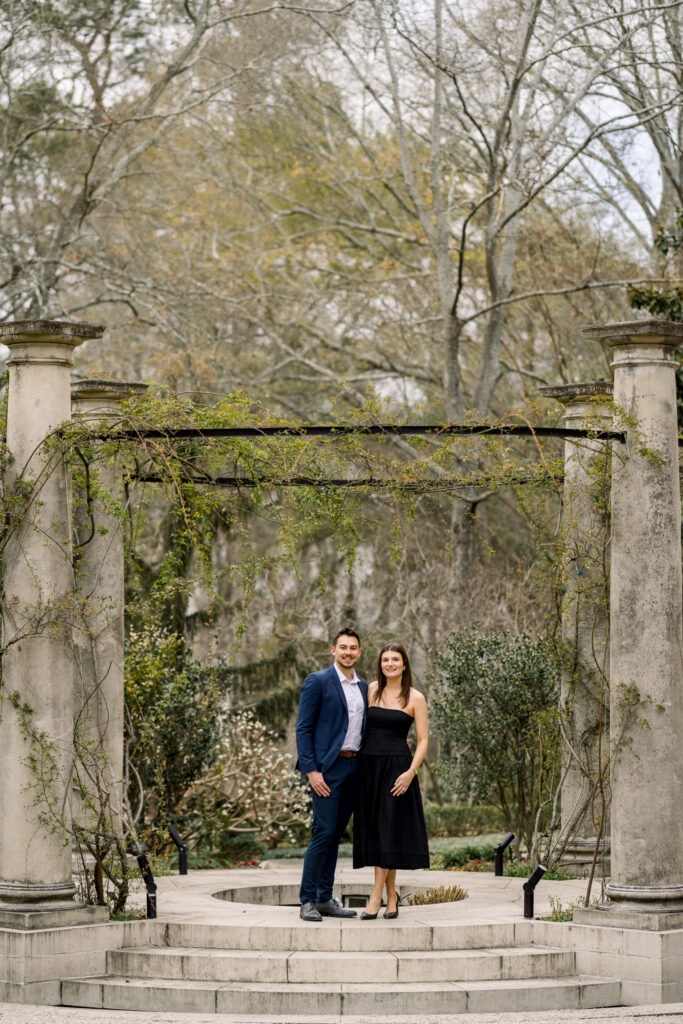
A “good” wedding budget isn’t the biggest one or the smallest one.
It’s one that:
Reflects your priorities
Honors your relationships
And supports the experience you want to have
The couples who enjoy their wedding day the most aren’t necessarily the ones who spent the most.
They’re the ones who felt aligned in what they chose, supported in the process, and present when it all unfolded.
If budget conversations have felt overwhelming, take that as a sign that you care – which is a good thing.
Take your time with this.
And if you’d like steady eyes on your early decisions before you lock anything in, we’re always happy to talk it through.
Sometimes one thoughtful conversation changes everything.
If you’d prefer to see a full planning roadmap laid out in one place, the Ultimate Wedding Checklist walks through what typically happens — and when — so you can move forward with clarity.


comments +